
From MBA Classroom to Published Author: My Journey from KSOM to No Call from Kanchenjunga

When I joined KIIT School of Management as an MBA student specializing in Business Analytics and Marketing, I never imagined that one day I would publish a novel. At the time, my focus was on understanding markets, consumer behavior, data, strategy, and the skills required to build a successful professional career.
Since graduating in 2023, the lessons I learned at KSOM have continued to shape both my professional and creative journey. Over the years, they have helped me not only in my corporate career but also in an unexpected pursuit: the journey of becoming an author.
In 2026, I published my debut literary fiction novel, No Call from Kanchenjunga. While the book is a work of fiction inspired by my travels through Sikkim, Darjeeling, and the Eastern Himalayas, the process of writing and publishing it was influenced by many lessons I learned during my MBA.
The Long Journey from Idea to Manuscript
Like many students, I graduated in 2023 with dreams, ambitions, and uncertainty about the future. Life after college brought new experiences, new cities, professional challenges, successes, failures, and countless questions about purpose and identity.
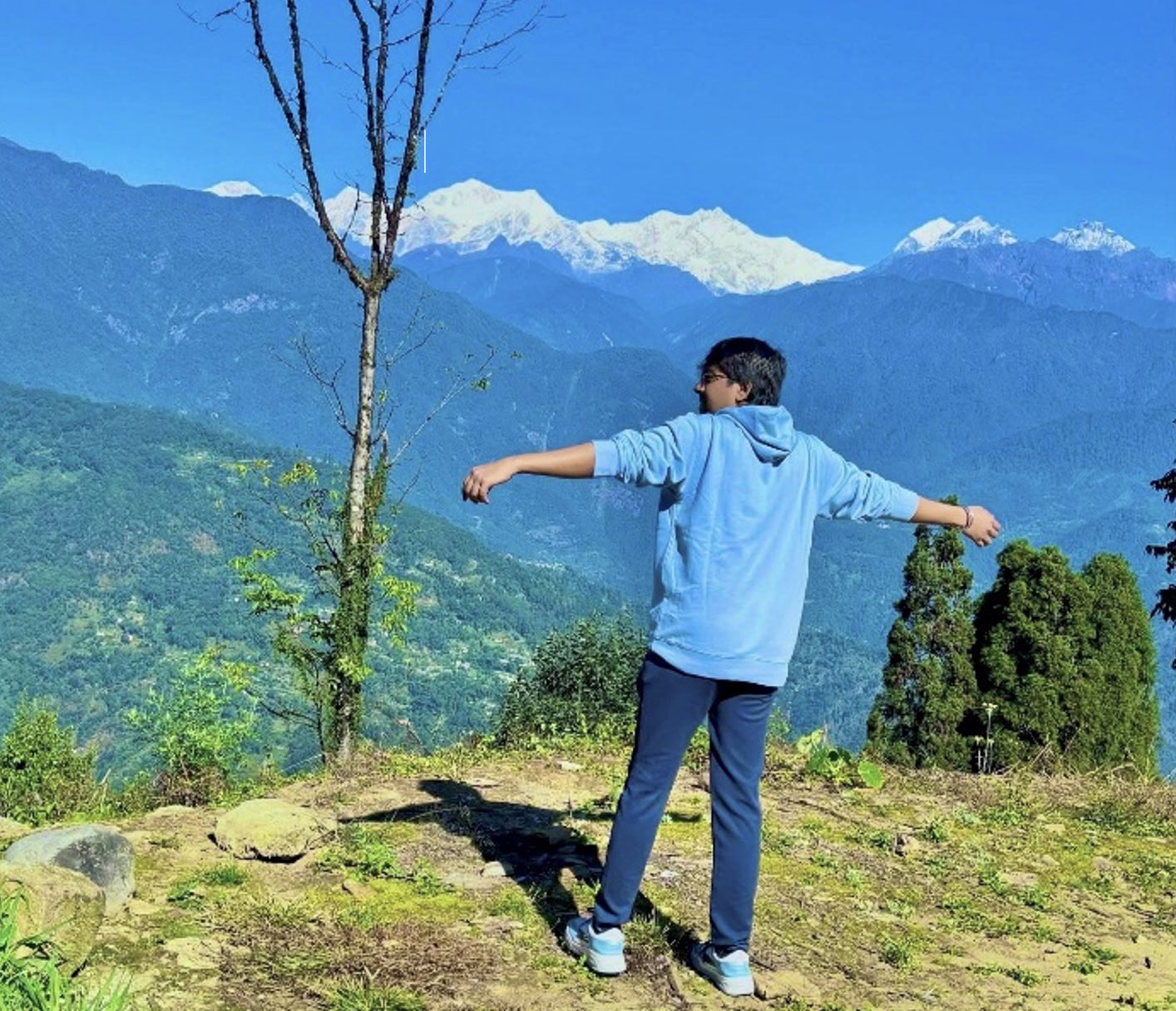
Over the next few years, I travelled extensively across the Himalayan region, especially Sikkim and Darjeeling. These journeys introduced me to different cultures, landscapes, communities, and perspectives. What started as travel gradually became reflection, and reflection eventually became writing.
The first challenge was not writing the book; it was finishing it.
Anyone can start a project. Very few people complete it.
Writing nearly 50,000 words while working full-time required consistency more than talent. There were days when I did not feel inspired. There were weekends when progress was slow. Yet I continued because I treated writing not as a hobby but as a long-term project.
In many ways, this mindset came from my management education. Breaking a large goal into smaller milestones, tracking progress, and focusing on execution rather than motivation helped me reach the finish line.
How Analytics Helped Me as an Author
Many people see creative writing and analytics as completely different worlds. My experience has been the opposite.
Analytics teaches us to observe patterns.
Writing teaches us to observe people.
Both require curiosity.
As a Business Analytics student, I learned to ask questions, identify trends, analyze information, and look beyond the obvious. While writing the novel, I applied the same mindset to understanding human behavior, relationships, motivations, and decisions.
Every character in a story makes choices. Every choice has consequences. Understanding why people behave the way they do became an important part of my writing process.
Analytics also taught me patience. Good insights rarely emerge from a single data point. Similarly, meaningful stories rarely emerge from a single experience. They are built through observation, reflection, and connecting different pieces together.
Marketing Lessons Beyond the Classroom
Publishing a book is only half the journey.
The second half is ensuring that readers discover it.
This is where my marketing specialization proved invaluable.
Marketing is ultimately about understanding an audience. Before promoting the book, I spent time thinking about who would connect with its themes and why.
Digital marketing concepts such as audience segmentation, storytelling, content strategy, branding, and social media engagement became practical tools rather than classroom concepts.
Through platforms like Instagram, LinkedIn, YouTube, and online reading communities, I began sharing the story behind the book. Instead of simply promoting a product, I focused on sharing the journey that led to its creation.
Ironically, writing a novel taught me that storytelling is one of the most powerful forms of marketing.
People may forget advertisements, but they rarely forget stories.
Why This Book Matters to Young People
At its heart, No Call from Kanchenjunga is not simply a story about the Himalayas.
It is a story about uncertainty.
It is a story about searching for meaning.
It is a story about dealing with rejection, expectations, self-doubt, relationships, career choices, and the desire to find one’s place in the world.
These are challenges that many students and young professionals experience today.
We live in an era where opportunities are greater than ever before, yet confusion often feels greater too. Young people are constantly making decisions about careers, relationships, cities, identities, and futures they cannot fully predict.
The character in the novel face similar questions.
While the landscapes of Sikkim and the Eastern Himalayas provide the backdrop, the emotional journey belongs to an entire generation trying to understand where they belong and what truly matters.
In that sense, the novel is not just my story.
It is the story of many young people who are navigating ambition, uncertainty, hope, failure, and self-discovery.
Looking Back
When I think about my journey from KSOM student to published author, I realize that the lessons I learned during my MBA continue to influence me in unexpected ways.
Analytics helped me observe.
Marketing helped me communicate.
Writing helped me understand.
Together, they shaped a journey that eventually became No Call from Kanchenjunga.
For current students, my message is simple: do not limit yourself to a single identity.
You can be an analyst and a storyteller.
A marketer and a traveler.
A professional and a creator.
The skills you learn today may help you build something tomorrow that you cannot yet imagine.
Sometimes the most meaningful journeys begin far outside the plans we originally made.